







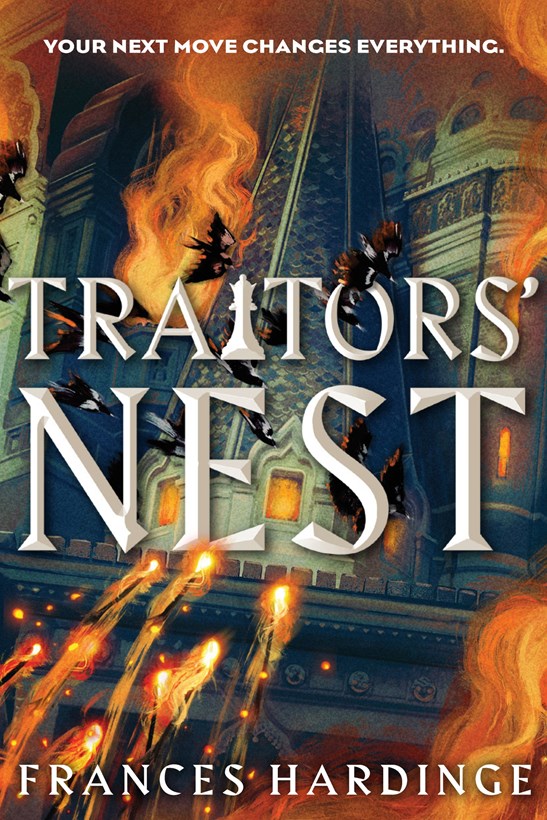
Traitors' Nest
Pied Swipers
In Traitors’ Nest, the powers-that-be have decreed that magpies are vermin, and worse than vermin. They should be chased away with thrown stones, and under no circumstances should anybody try to make a deal with them. All the same, there are ancient, forbidden tales about a mysterious Magpie Maiden who sometimes offers bargains…
I’ve always had a soft spot for magpies. It’s their dapper bolshiness, their swagger and hop. The multicoloured shimmer of their feathers. Their dipping, long tailed flight, as if they’re stitching the air. Their guttural call, a Gatling-gun caw.
Most of all, I love how mischievous and curious they are, particularly the young ones. They’re the imps of my garden, finding games to play with old tennis balls, pulling bigger birds’ tail feathers, and poking their beaks into everything. The collective noun for magpies is a ‘mischief’.
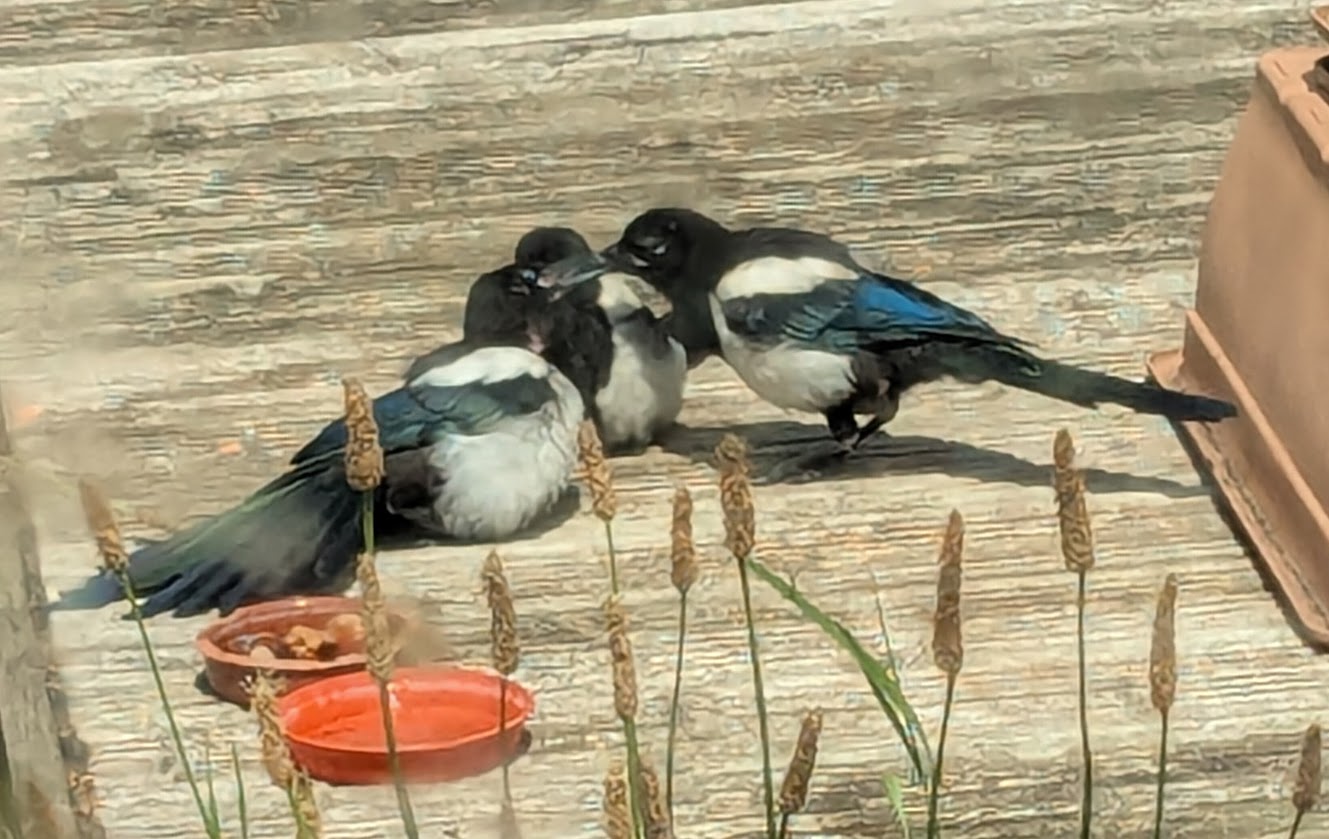
They are also entangled in superstition from tip to toe. You’ve probably heard the old counting rhyme, the most common version of which is:
One for sorrow
Two for joy
Three for a girl
Four for a boy
Five for silver
Six for gold
Seven for a secret never to be told
There are lots of other versions, though. There’s even a funny version by John Finnemore where the speaker keeps counting, and counting, until he’s terrified by the number of magpies that keep appearing…
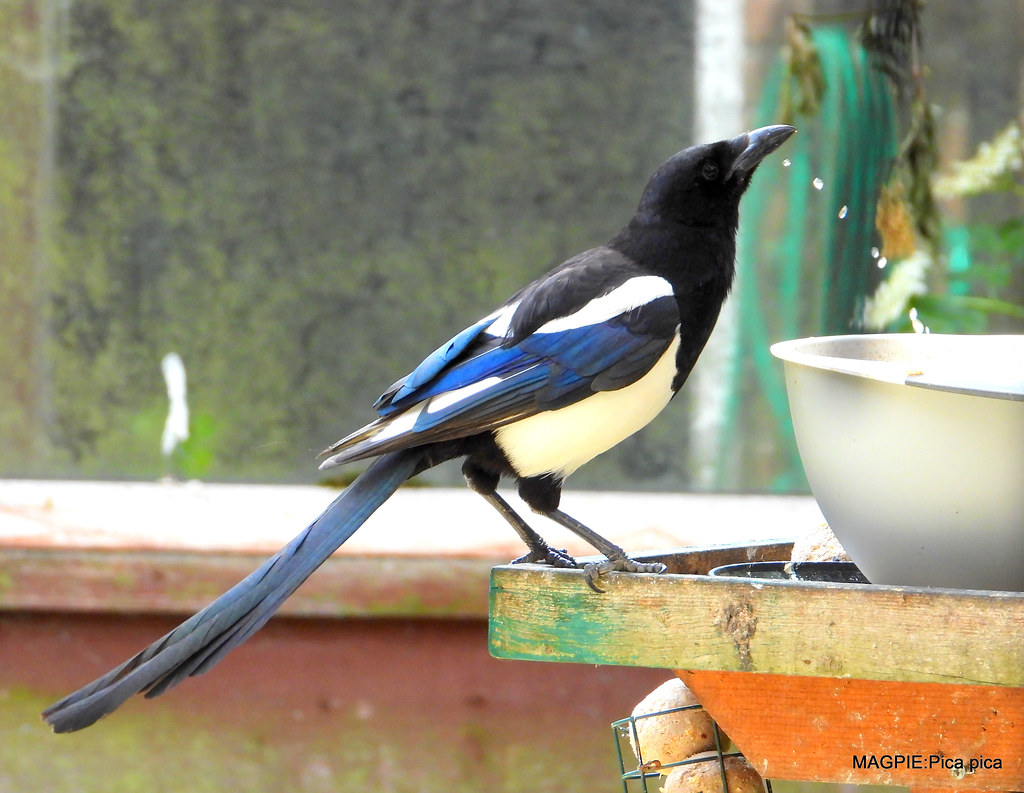
Seeing a solitary magpie was a bad omen, though you could ward off the bad luck by bowing or curtseying, greeting it very politely and asking after the health of its wife.
Then there’s the magpies’ age-old reputation as thieves and collectors. Some researchers now say that this is just a myth. Then again, a lovely lady who once fostered an abandoned magpie chick tells me that her bird really did tend to steal shiny pens and keys, hiding them in a ‘nest’ on top of her wardrobe. (She was my ‘magpie consultant’ while I was writing Traitors’ Nest, and was very helpful.)
As a writer I certainly identify with the magpie as a collector, a snatcher-up of unconsidered trifles. We authors are always bright-eyed and watchful, looking for any stray detail we can seize and use in a story.
These are British superstitions, of course. In some places the magpies have a much better reputation. In Japan, they are seen as bringers of prosperity, happiness and reunions. Perhaps Japanese magpies are just kindlier and better behaved…
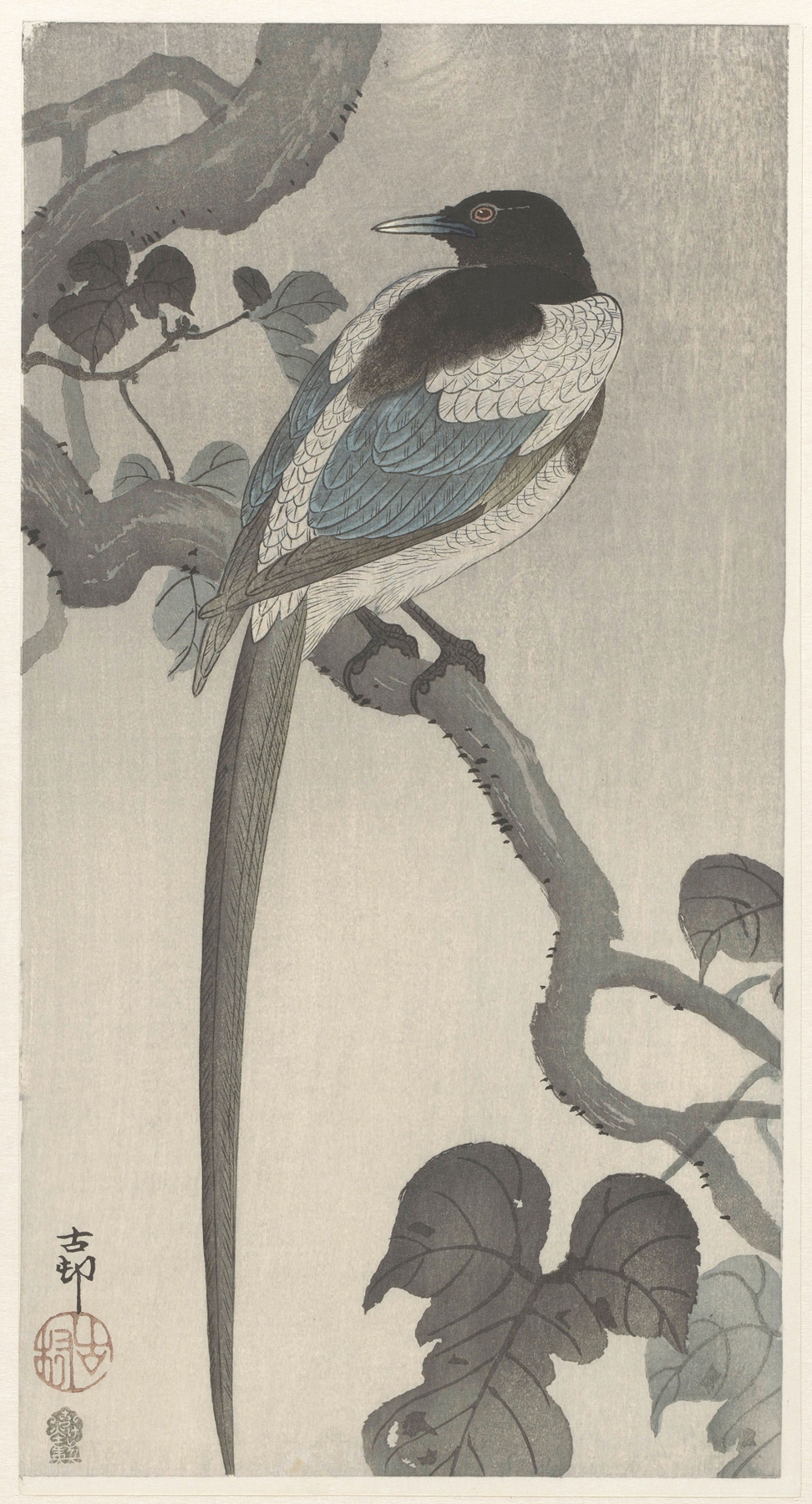
Magpie on a Tree Branch, by Ohara Koson
Buy Traitors’ Nest (UK edition) via Hive.co.uk or from Amazon.co.uk


This website and its contents copyright © Frances Hardinge 2014–26 except where otherwise indicated. All rights reserved.